Lifestyle
Cold plunges: benefits, timing, and what actually works
8 Minutes read
By
James Arlander
Share this article
Cold plunges: benefits, timing, and what actually works
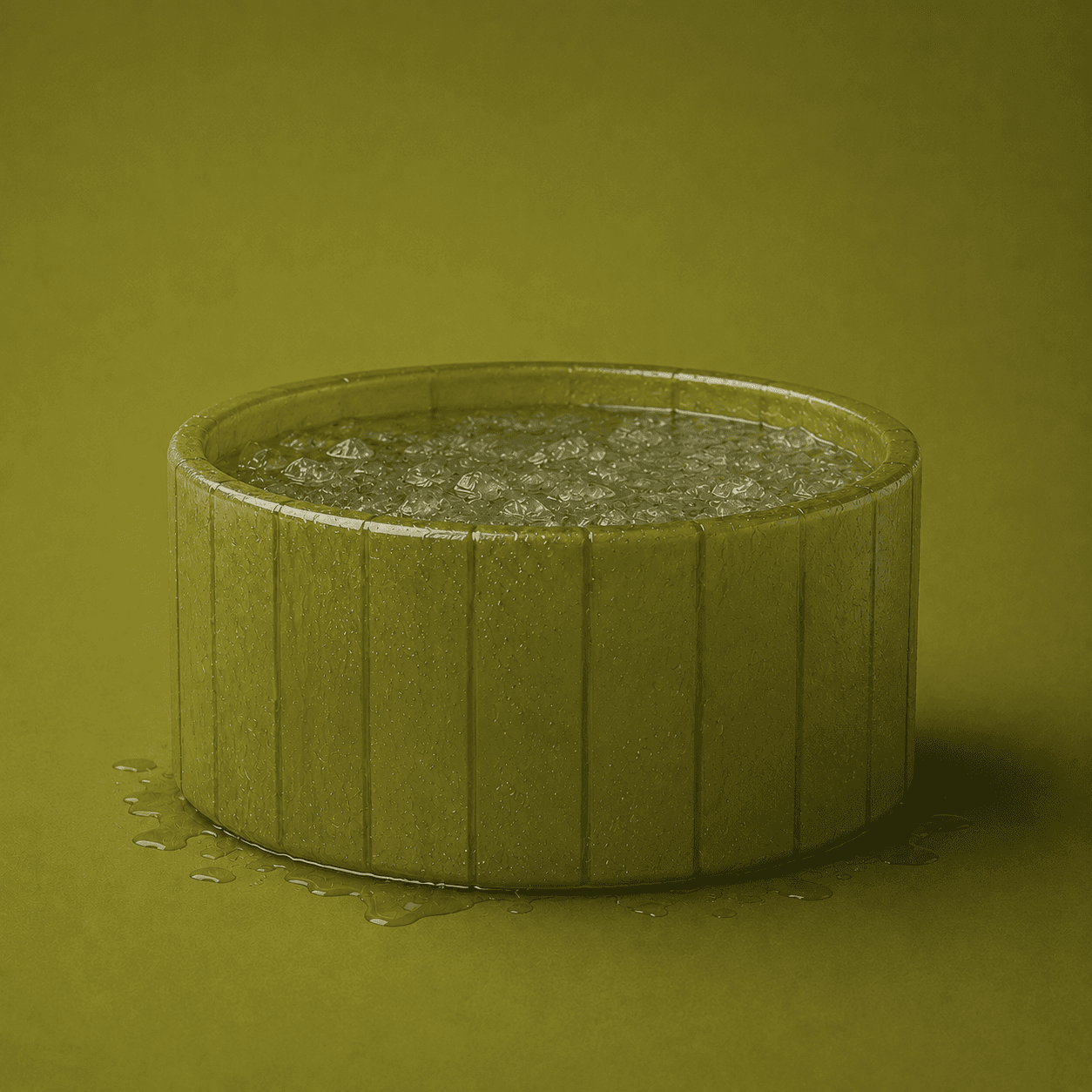
Cold plunges have exploded in popularity over the last few years. From athletes and fitness creators to founders and celebrities, everyone seems to be sitting in freezing water chasing recovery, focus, and better performance.
But does it actually work?
The short answer is yes — cold exposure can offer real benefits when used correctly. The problem is that most people use it at the wrong time or expect it to do things it simply cannot do.
Where cold plunges started
Cold water immersion has been used for centuries. Ancient Romans used cold baths after hot steam rooms, Nordic cultures practiced winter swimming, and Japanese traditions included cold waterfall rituals for mental discipline and recovery.
Modern sports science started paying serious attention to cold therapy through professional athletes. Teams began using ice baths to reduce soreness and improve recovery between training sessions and competitions.
Today, cold plunges are used for:
recovery
mental resilience
circulation
stress adaptation
sleep support
inflammation management
Cold exposure is not magic. It’s a recovery tool.
The real benefits of cold plunges
Reduced muscle soreness
One of the biggest benefits is reduced soreness after intense training. Cold water constricts blood vessels and may help reduce inflammation and swelling temporarily.
This is why athletes often feel fresher after using a cold plunge.
Mental resilience
Stepping into freezing water is uncomfortable. Learning to control your breathing and stay calm under stress can improve mental discipline outside the gym as well.
A lot of people continue cold plunges for this reason alone.
Improved alertness and mood
Cold exposure activates the nervous system and increases adrenaline and dopamine levels temporarily. Many people report feeling more focused, energized, and mentally sharp afterward.
Better recovery between sessions
If you train frequently, especially endurance or high-volume workouts, cold plunges may help you recover faster between sessions.
This becomes more useful during intense training periods.
Should you do a cold plunge right after lifting?
This is where most people get it wrong.
If your goal is maximum muscle growth and strength adaptation, jumping into an ice bath immediately after heavy resistance training may actually reduce some of the adaptation signals your body needs to build muscle.
In simple terms:
lifting creates inflammation and stress
your body responds by rebuilding stronger
excessive cold exposure immediately after training can blunt part of that response
Cold plunges can reduce soreness, but soreness and adaptation are not the same thing.
So when should you do it?
For strength and hypertrophy training:
wait at least 4–6 hours after lifting
or do it on recovery days
or use it after cardio sessions instead
For endurance athletes:
Cold plunges immediately after training are generally more acceptable because recovery speed is often prioritized over muscle growth.
When cold plunges make the most sense
Cold plunges work best when:
training volume is high
recovery matters more than muscle gain
stress levels are elevated
sleep quality needs improvement
soreness is affecting performance
They make less sense when:
you are chasing maximum muscle growth
you already recover well naturally
you use them simply because they are trendy
How cold should the water be?
Most cold plunges sit between:
7–15°C
45–59°F
You do not need extreme temperatures to see benefits.
For most people:
2–5 minutes is enough
consistency matters more than suffering
Final thoughts
Cold plunges are useful, but context matters.
If you want faster recovery, better focus, and improved resilience, they can absolutely help. But if your main goal is maximizing muscle growth, timing becomes important.
The best approach is simple:
train hard
recover properly
use cold exposure strategically instead of emotionally
Because real progress usually comes from consistency, not extremes.
Let's start
Ready to see real progress?
Get a structured plan, expert guidance, and coaching built around your goals.
By submitting, you agree to our Terms and Privacy Policy.
Reply within 24h.
Once you reach out, we’ll review your goals, routine, before planning the next steps.